Maritime and Logistics Management
April 7, 2026 2026-06-25 19:23Maritime and Logistics Management
Higher National Diploma in Maritime and Logistics Management
Maritime and logistics management is one of the nine programs offered by university college Ratmalana and is produced industry-oriented graduates to cater the ever-growing demand in maritime and logistics field. Being strategically located in the center of the shipping routes Sri Lanka has become transshipment hub for merchant ships sailing from east to west and vice versa. With the drastic increase in import and export cargo, the necessity for smooth and efficient movements to and from the ports has become vital since the small delay incurs higher cost. In that case logistics plays a crucial role in the entire supply chain. Hence, having learned concepts in maritime and logistics and having exposed to the industry students will be able to contribute to the country’s economy effectively.
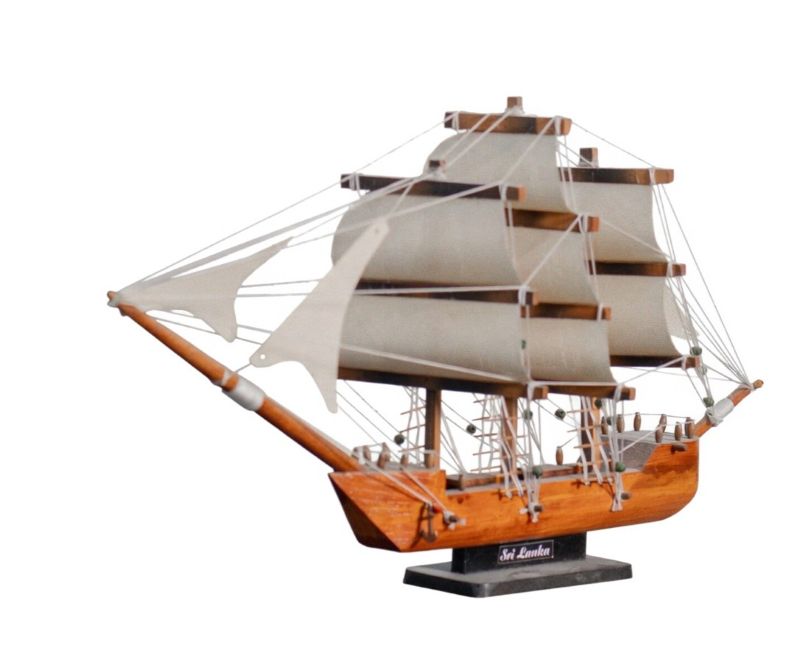
Maritime and logistics management is a three-year course in which during first six months all the basic concepts are covered, NVQ 05 is covered in next year time and after that one and half years of their studies, the students are to undergo a six-month industry training, monitored by the national apprenticeship institute and industrial training authority (NAITA). Following this immersion in the professional field, students return to the university to complete their final year of studies and obtain their NVQ level 06 qualification.
Program Structure and Theoretical Foundation
The Higher National Diploma (HND) in Maritime and Logistics Management at the University College of Ratmalana is structured to transition students from foundational theory to advanced industrial application over a three-year period.
Program Structure
The curriculum is divided into specific phases to ensure a progressive mastery of the field:
- Foundation (First 3 Months): Introduction to basic maritime concepts, business communication, and essential IT skills.
- NVQ Level 5 (1 Year): Focuses on core technical competencies, including port operations, ship handling basics, and management.
- Industrial Internship (6 Months): A mandatory field placement monitored by NAITA to apply theoretical knowledge in real-world shipping and logistics environments.
- NVQ Level 6 (1 Year): Advanced management modules, strategic supply chain integration, and the completion of the Higher National Diploma requirements.
- Industrial Internship (3 Months): A compulsory industrial internship facilitated by NAITA, designed to bridge the gap between theoretical frameworks and practical applications within the maritime and logistics sectors
Theoretical Foundations
The academic framework is built upon four primary pillars:
- Maritime Economics & Law: Understanding global shipping routes, international trade agreements, and the legalities of merchant shipping.
- Supply Chain Management (SCM): Theoretical models for optimizing the flow of goods, reducing lead times, and managing "Just-in-Time" (JIT) delivery systems.
- Multimodal Transport Operations: Exploring the integration of sea, air, and land transport to ensure seamless transshipment at hubs like Sri Lanka.
- Logistics Analytics: Using data-driven concepts to minimize operational delays and mitigate the high costs associated with port congestion.
Through academic rigor and structured assessments, students master supply chain analysis, maritime documentation, and load optimization. This theoretical depth ensures graduates transcend basic coordination, evolving into logistics technologists capable of strategic supervision, operational troubleshooting, and systemic thinking to navigate complex, global maritime environments and diverse market conditions.
Practical Training and Industrial Exposure
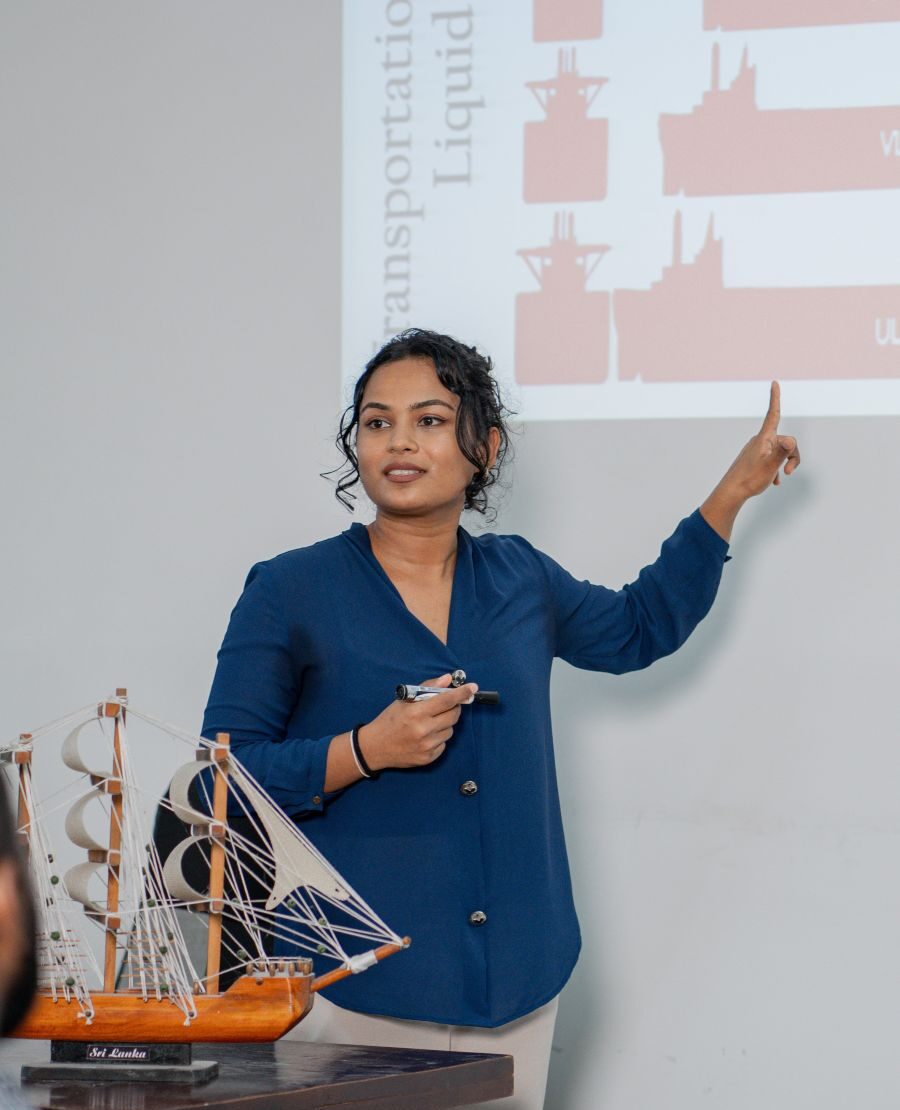
Practical competence is a foundational pillar of the Higher National Diploma. The program integrates extensive simulation exercises and technical workshops designed to reinforce theoretical frameworks through immersive, hands-on experience.
Students engage in:
- Port Operations and Terminal Management: Practical exercises in vessel scheduling and berth planning.
- Documentation and Customs Clearing: Hands-on processing of Bills of Lading, manifests, and international trade forms.
- Cargo Load Planning and Stowage: Simulation of weight distribution and container stacking for maritime stability.
- Multimodal Transport Logistics: Designing integrated sea, air, and land routing under real-world constraints.
A core highlight of the program is the structured On-the-Job Training (OJT), conducted in collaboration with industry leaders. During this phase, students gain vital experience within seaports, shipping agencies, freight forwarding firms, and distribution centers. This exposure effectively bridges the gap between academic study and professional excellence in the maritime sector.
Learning Resources and Facilities
The University College provides modern facilities to support academic and practical learning. These include:
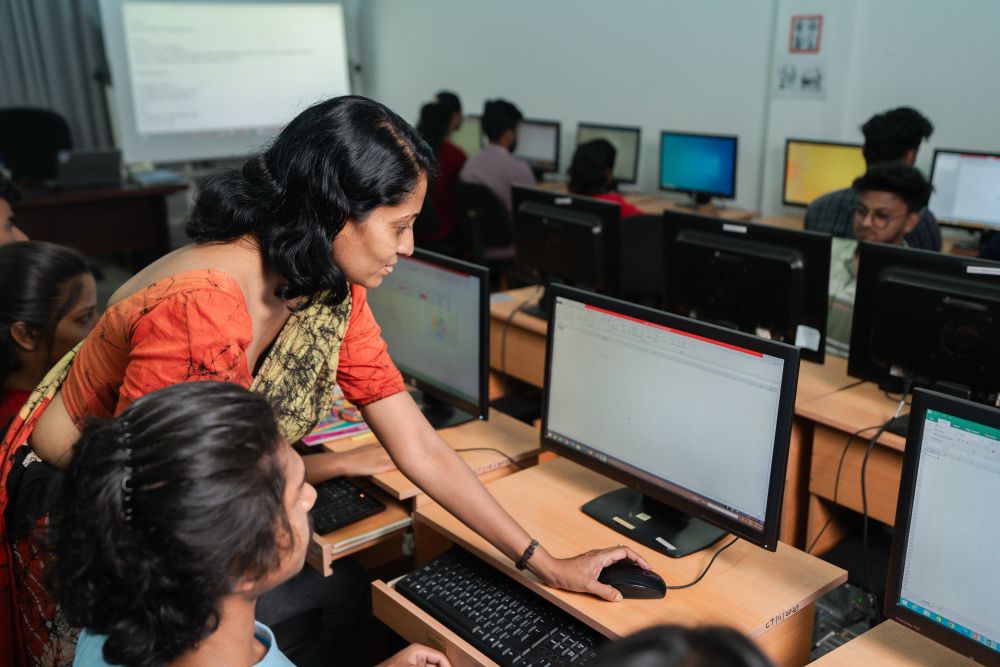
- Computer Laboratories for Simulation and Design
- A Resourceful Library with Technical Textbooks and Journals
- Internet and E-learning Facilities
Students gain from industry-integrated training, exposure to contemporary technical standards, and access to relevant resources within a structured learning environment that fosters discipline, precision, and innovation
Academic Staff and Expertise
The Maritime and Logistics Management programme is delivered by academically qualified staff, including two members holding Master’s degrees, with both teaching and industry experience. The academic team possesses strong expertise in shipping operations, port management, supply chain management, and logistics systems. Their practical exposure to the maritime and logistics sector enriches classroom delivery by linking theoretical concepts with real-world applications
| Module Code | Technical Module | Notional hours | Number of Credits |
| NVQ Level 5 Qualification Semester 1 | |||
| I63C001M01 | Introduction to shipping | 60 | 2.4 |
| I63C001M02 | Sales and Marketing | 250 | 10 |
| I63C001M03 | Introduction to documentation & Customer Service | 240 | 9.6 |
| I63C001M04 | Basic Human Resources management and General Office Administration | 100 | 4 |
| EMTM02 | Workplace Communication Management | 50 | 2 |
| EMTM03 | Planning and Scheduling work at workplace | 75 | 3 |
| NVQ Level 5 Qualification Semester 2 | |||
| I63C001M05 | Vessel Husbanding | 170 | 6.8 |
| I63C001M06 | Cargo Operations and Transshipment (Part 1) | 250 | 10 |
| I63C001M07 | Equipment Control | 190 | 7.6 |
| I63C001M08 | Equipment Inventory Management | 90 | 3.6 |
| EMTM01 | Workplace Information Management | 75 | 3 |
| On the Job Training (06 months) 6 Months on the Job Training under the supervision of NAITA. | |||
| NVQ Level 6 Qualification Semester 1 | |||
| I63C001M09 | Cargo Operations and Transshipment (Part 2) | 175 | 7 |
| I63C001M10 | Elements of Shipping Accounting | 80 | 3.2 |
| I63C001M11 | Basic Shipping Law and Conventions | 80 | 3.2 |
| I63C001M12 | Ship Operations Management | 145 | 5.8 |
| I63C001M13 | Documentation in commercial shipping | 120 | 4.8 |
| EMTM04 | Problem Solving and Decision Making | 50 | 2 |
| EMTM05 | Teamwork and Leadership | 50 | 2 |
| NVQ Level 6 Qualification Semester 2 | |||
| I63C001M14 | Advanced Programmable Logic Controllers used in Industrial Automation Systems | 170 | 6.8 |
| I63C001M15 | Industrial and Commercial Installation Systems | 360 | 14.4 |
| I63C001M16 | Electrical Switch Gear and Protection Systems | 170 | 6.8 |
| EMTM06 | Creating and maintaining of learning culture | 50 | 2 |
| On the Job Training (06 months) 6 Months on the Job Training under the supervision of NAITA. | |||
Continuous academic guidance, mentoring, and constructive assessment feedback are provided to ensure that students receive individualized support throughout their studies.