Television and Digital Media Post Production Technology
March 24, 2026 2026-07-12 11:45Television and Digital Media Post Production Technology
Higher National Diploma in Television and Digital Media Post Production Technology
The Higher National Diploma (HND) in Television and Digital Media Post Production Technology conducted by the by the Division of Television Studies, University College of Ratmalana is a nationally recognized program designed to produce skilled professionals for Sri Lanka's growing screen media and post production industry. The program focuses on developing creative, technical, and analytical competencies required for television post production, digital content creation, animation, color grading, and audio visual finishing for broadcast and new media platforms.
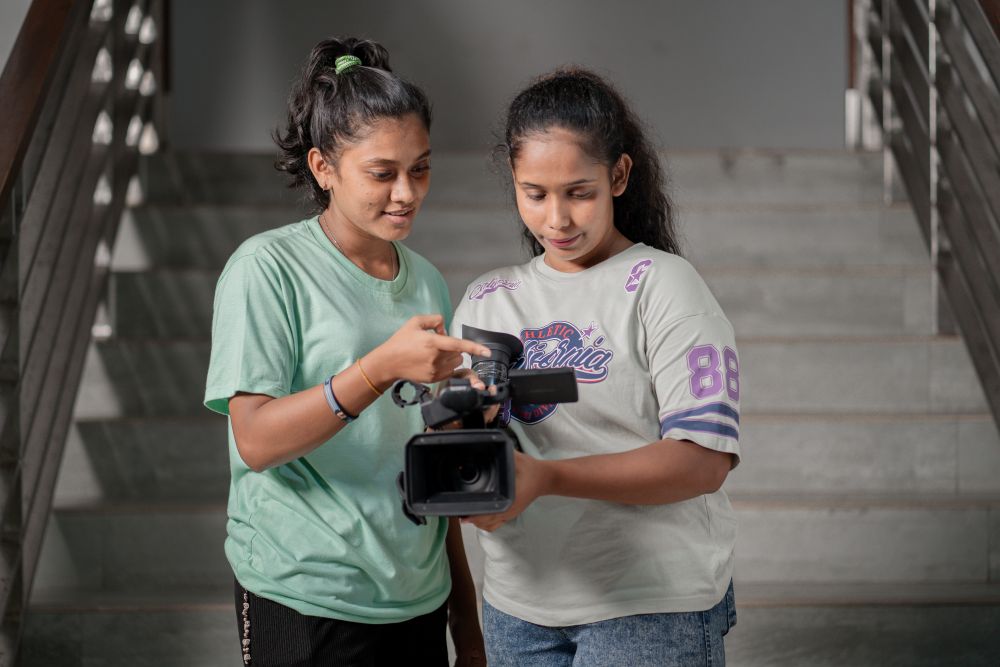
Aligned with the national vocational education framework NVQ Levels 6, the program integrates strong theoretical knowledge with extensive practical training. Students gain hands-on experience in areas such as video editing, color correction and grading, 2D and 3D animation, sound design, audio technology, compositing. Through project-based learning and industry exposure, the program prepares HND holders for employment in television channels, post production houses, animation studios, advertising agencies, and the broader creative media sector.
Program Structure and Theoretical Foundation
The Higher National Diploma (HND) in Television and Digital Media Post Production Technology is structured to progressively develop students' knowledge from fundamental media and technology concepts to advanced post production techniques. The theoretical component forms a strong foundation of the program, enabling students to understand the post production pipeline, audio visual communication, and screen media craft from both analytical and creative perspectives.
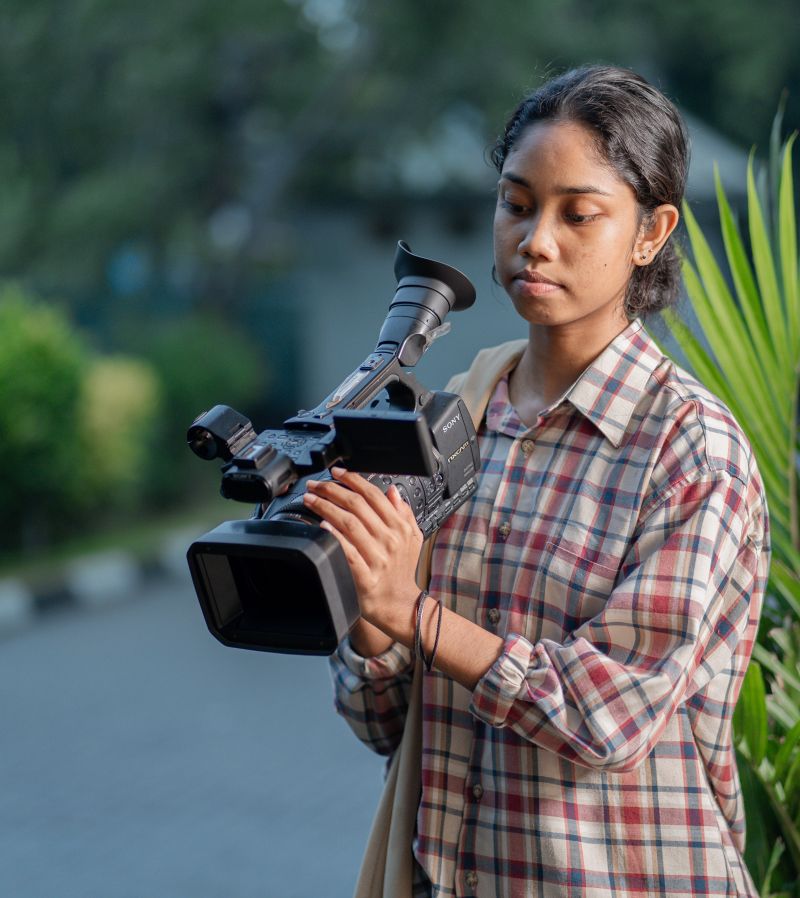
Core theoretical subjects include:
- Basics of Technology for Audio Visual Production
- Aesthetic of Editing
- Online and Offline Editing
- Basics of Editing Technology and Techniques
- Multi-camera Technology and Production Techniques
- Color Correction and Video Compositing Techniques
- 2D Animation and 3D Animation
- Sound Design Technology and Techniques
- Color Grading Technology and Techniques
- Film Language and Aesthetics
- Writing for Screen
- Audio Video Technology for New Media
- Basics of Broadcasting Technology
- Ethics, Intellectual Property Rights and Media Law
Through lectures, tutorials, discussions, and structured assessments, students develop the ability to analyze post production workflows, understand visual storytelling and editing aesthetics, apply color grading and compositing techniques, design soundscapes for screen, and critically evaluate the technical and creative standards of television and digital media productions.
The emphasis on theoretical knowledge ensures that graduates are not only technically skilled post production practitioners but also creative professionals capable of planning, managing, and critically evaluating the full post production process within the broader screen media industry.
Industrial Exposure
A key highlight of the program is the structured On-the-Job Training (OJT) period conducted in collaboration with media institutions and post production companies. During this phase, students gain real-world experience in television channels, post production houses, animation studios, advertising agencies, and digital media facilities. This exposure helps bridge the gap between academic learning and professional post production practice.
Learning Resources and Facilities
The University College provides modern facilities to support both academic and practical learning. These include:
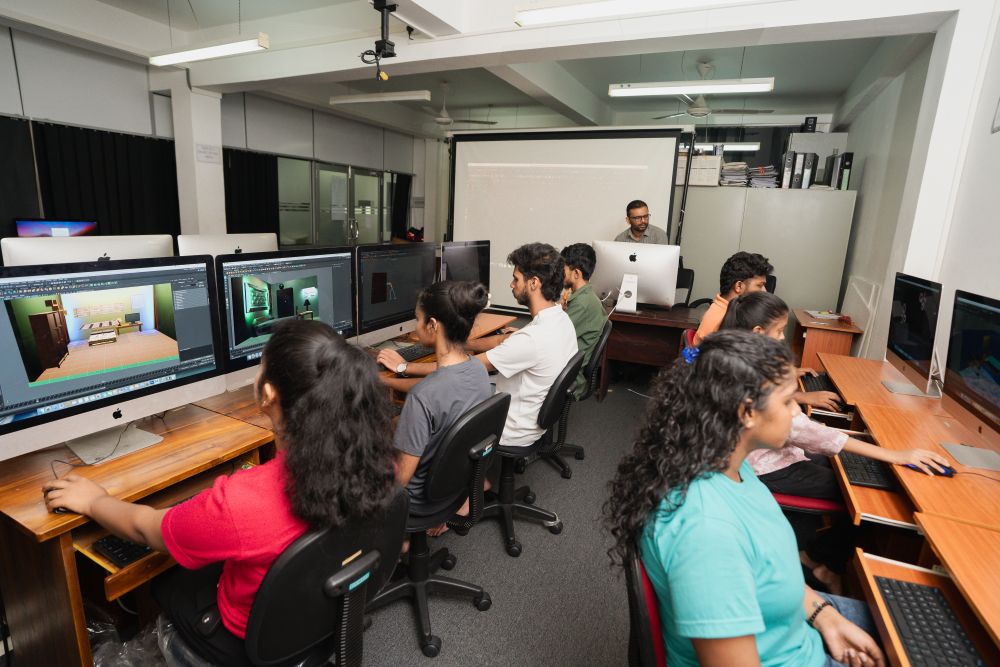
- Fully Equipped Post Production laboratary
- Professional Audio Recording and Sound Design Equipment
- Computer Laboratories with Industry-Standard Editing, Animation, and Compositing Software
- Color Grading and Video Compositing Facilities
- A Resourceful Library with Television Studies Literature
- Internet and E-learning Facilities
Students also benefit from project-based learning, production assignments, and industry-linked training opportunities. The learning environment encourages creativity, technical precision, collaboration, and innovation, preparing students to meet the dynamic demands of the television post production and digital media industry.
Academic Staff and Expertise
The program is delivered by qualified academic staff with both teaching and industrial experience. Lecturers possess strong backgrounds in Television Post Production Technology, Animation, Sound Design, and Screen Media Production. Many staff members bring practical industry exposure into the classroom, enhancing the relevance of lectures and laboratory work.
Continuous academic guidance, mentoring, and assessment feedback ensure that students receive personalized support throughout their studies.
| Module Code | Module Name | Notional Hours | Number of Credits |
|---|---|---|---|
| Technical Modules | |||
| D32T002M01 | Basics of Engineering Mathematics | 50 | 2 |
| D32T002M02 | Introduction to Mass Communication | 25 | 1 |
| D32T002M03 | Basics of Technology for Audio Visual Production | 100 | 4 |
| D32T002M04 | Comprehending Screenplay for Post-Production | 25 | 1 |
| D32T002M05 | Designing 2D Graphics for AV Production | 50 | 2 |
| D32T002M06 | Developing 2D Computer Graphics | 75 | 3 |
| D32T002M07 | 2D Animation | 75 | 3 |
| D32T002M08 | Aesthetic of Editing | 75 | 3 |
| D32T002M09 | Comprehending 3D Animation in Post-Production | 75 | 3 |
| D32T002M10 | Single Camera Production | 75 | 3 |
| Employability Modules | |||
| EMPM01 | Workplace Information Management | 75 | 3 |
| EMPM02 | Workplace Communication Management | 50 | 2 |
| Total | 750 | 30 | |
| Technical Modules | |||
| D32T002M11 | Engineering Mathematics | 50 | 2 |
| D32T002M12 | Aspects of Post-production Planning | 25 | 1 |
| D32T002M13 | Audio Technology and Techniques in Post-Production | 75 | 3 |
| D32T002M14 | Online and Offline Editing | 100 | 4 |
| D32T002M15 | Basics of Editing Technology and Techniques | 75 | 3 |
| D32T002M16 | Multi-camera Technology and Production Techniques | 50 | 2 |
| D32T002M17 | Color Correction and Composition Techniques | 75 | 3 |
| D32T002M18 | Basics of Broadcasting Technology | 50 | 2 |
| D32T002M19 | Ethics, Intellectual Property Rights and Legislation | 25 | 1 |
| D32T002M20 | Occupational Safety and Health | 50 | 2 |
| D32T002M21 | Final Project-I | 100 | 4 |
| Employability Modules | |||
| EMPM03 | Planning and Scheduling Work at Workplace | 75 | 3 |
| Total | 750 | 30 | |
| Technical Modules | |||
| D32T002M22 | Film Language and Aesthetics | 100 | 4 |
| D32T002M23 | Art, Culture and Critical Theory | 50 | 2 |
| D32T002M24 | Audio Video Technology for New Media | 75 | 3 |
| D32T002M25 | Marketing of AV Products | 50 | 2 |
| D32T002M26 | Writing for Screen | 100 | 4 |
| D32T002M27 | Designing Screen Production | 75 | 3 |
| D32T002M28 | Audio Video Content Production for New Media | 100 | 4 |
| D32T002M29 | Sound Design Technology and Techniques in Post Production | 100 | 4 |
| Employability Modules | |||
| EMPM04 | Problem Solving and Decision Making | 50 | 2 |
| EMPM05 | Teamwork and Leadership | 50 | 2 |
| Total | 750 | 30 | |
| Technical Modules | |||
| D32T002M30 | Entrepreneurship Development and Small Business Management | 75 | 3 |
| D32T002M31 | Production Management in Screen Production | 75 | 3 |
| D32T002M32 | Lighting Techniques for Animation | 75 | 3 |
| D32T002M33 | 3D Animation | 125 | 5 |
| D32T002M34 | Color Grading Techniques | 75 | 3 |
| D32T002M35 | Authoring and Mastering | 125 | 5 |
| D32T002M36 | Final Project-II | 150 | 6 |
| Employability Modules | |||
| EMPM06 | Creating & Maintaining a Learning Culture at Workplace | 50 | 2 |
| Total | 750 | 30 | |